Assessing Recent Form
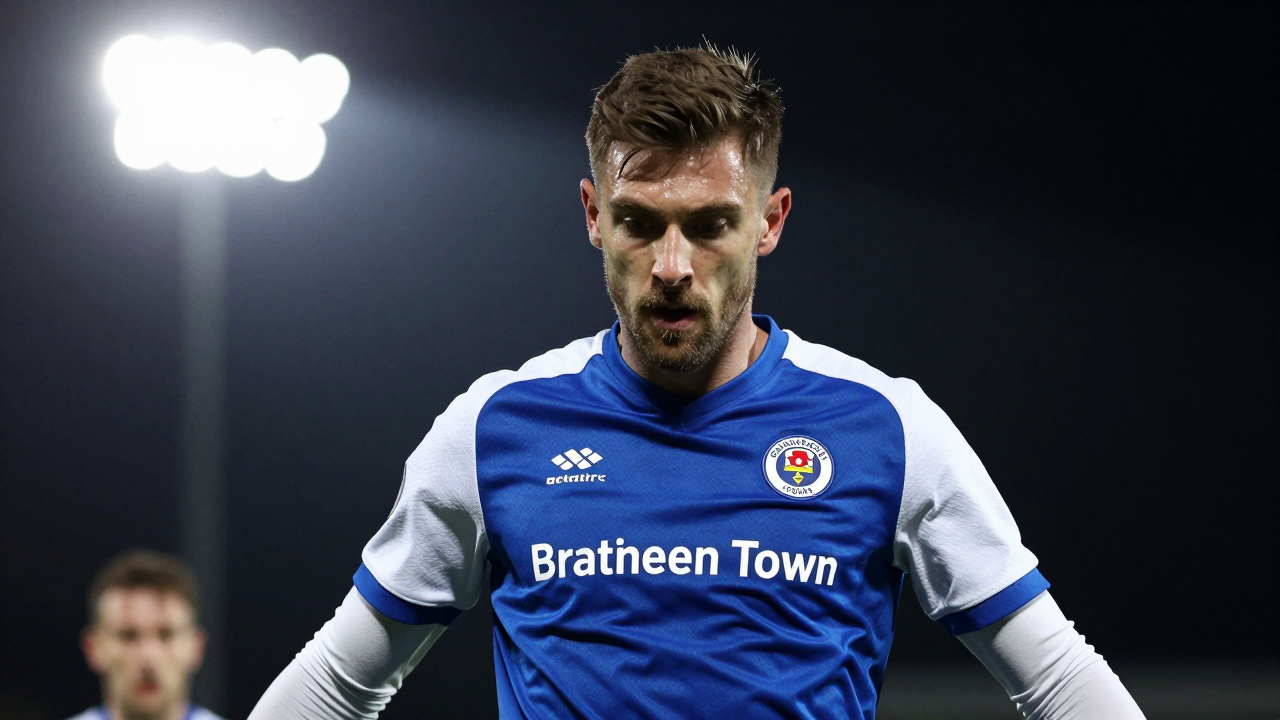
Braintree Town, known as The Iron, has displayed a mixture of resilience and vulnerability in their recent matches. While their competitive spirit is commendable, the tactical approach has occasionally left room for improvement, particularly in the final third and defensive organization. The side has struggled to maintain possession and control games, which has led to conceding unnecessary goals. To build on their recent performances, a few tactical tweaks could be crucial in maximizing their strengths and addressing weaknesses.
Formation Flexibility
One potential tweak could be to adopt a more flexible formation, particularly utilizing a 4-2-3-1 setup. This system allows for better mid-block pressing while providing support to both the defense and the attack. With two holding midfielders, Braintree can shield their backline more effectively, allowing the full-backs to push higher up the pitch, contributing to the attack without compromising defensive stability. The width provided by the wingers can stretch opposing defenses, creating space for playmakers to exploit in the central areas.
Midfield Dynamics
The midfield is the heartbeat of any side, and for Braintree, optimizing this area could lead to a dramatic upturn in form. Currently, the midfielders have been caught in transition too frequently, leading to gaps that opponents have exploited. By assigning one midfielder to sit deeper while the other ventures forward, Braintree can ensure they maintain a solid structure while still posing an attacking threat. The combination of Goran Babic's robust presence and a more dynamic midfielder could create a balanced partnership capable of both defending and launching counter-attacks.
Strengthening the Attack
The attacking front has seen flashes of brilliance, particularly through the partnership of J. Akinde and other key players. However, there seems to be a dependency on individual brilliance rather than collective movement. Encouraging a more fluid attacking style-where forwards interchange positions-could confuse opposition defenders and create more goal-scoring opportunities. A focus on developing sharp, quick combinations in the final third, perhaps through a training emphasis on one-twos and overlaps, could be a game-changer.
Defensive Cohesion
At the back, while the defenders have shown grit, there is a need for improved communication and cohesion. Tweaking the defensive line to play a slightly higher line could help in catching opponents offside and maintaining pressure higher up the pitch. Additionally, implementing a zonal marking system during set-pieces might reduce the number of goals conceded from corner kicks and free-kicks, an area that has historically plagued Braintree in tight matches.
Conclusion
As Braintree looks to improve their standing in the National League, embracing these tactical adjustments could significantly enhance their performance. By focusing on formation flexibility, midfield dynamics, strengthening the attack, and improving defensive cohesion, The Iron can turn their fortunes around. With the right tweaks, Braintree can not only compete fiercely but also entertain their loyal supporters at Cressing Road Stadium.