Tactical Adjustments for Braintree: Optimizing Recent Form
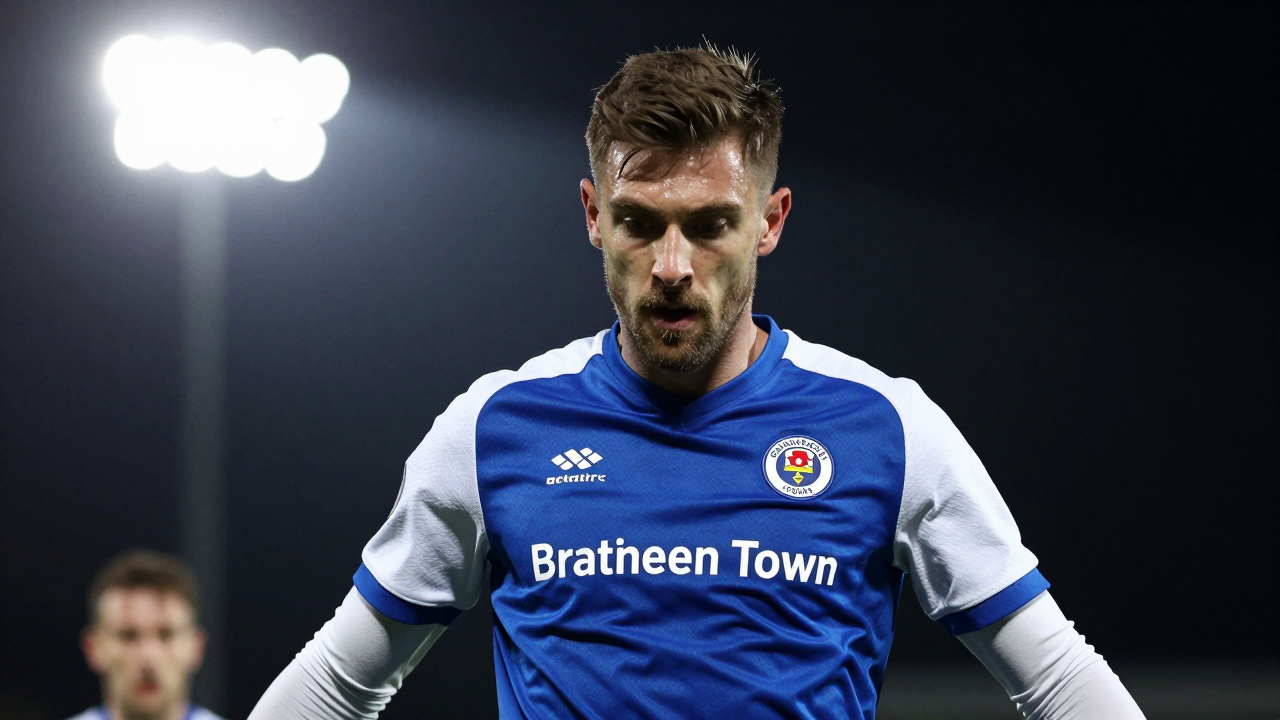
As the National League season progresses, Braintree, affectionately known as The Iron, finds themselves at a crucial juncture. Recent performances have shown promising glimpses of potential, but inconsistency has plagued their results. By analyzing their current tactical setup, we can identify specific adjustments that may enhance their effectiveness on the pitch and secure more points as the season unfolds.
Defensive Structure: Tightening Up at the Back
Braintree's defensive line has faced challenges, particularly against teams that utilize fast-paced counter-attacks. The current 4-4-2 formation, while offering some width, can sometimes leave gaps between the full-backs and central defenders, which opponents have exploited. One suggested tweak is to transition to a more compact 4-2-3-1 formation. This would allow for two holding midfielders to provide additional cover in front of the back four, ensuring that any potential threats are neutralized before they reach the defensive line.
Moreover, having two players in front of the defence would facilitate better ball retention, reducing the pressure on the backline. This change could be particularly effective in matches against stronger opposition, where maintaining defensive solidity is paramount.
Midfield Dynamics: Enhancing Creativity
In the middle of the park, Braintree's creativity has occasionally faltered, resulting in a lack of service to their forwards. Currently, the midfield often feels overrun, especially when opponents press aggressively. Introducing a more dynamic midfielder with the ability to link play-perhaps a player like Goran Babic in a more advanced role-could help alleviate this issue. By doing so, Braintree could maintain better possession and create more goal-scoring opportunities.
Additionally, encouraging the wide players to tuck in occasionally could create overloads in central areas, allowing for more incisive passing and movement. This tactical shift would not only enhance Braintree's attacking prowess but also create confusion in the opponent’s defensive setup.
Forward Movement: Utilizing Pace and Pressing
While Braintree's forwards have shown promise, there is room for improvement in their pressing game. Increasing the intensity of their high press can lead to forced errors from the opposition, creating chances in prime areas. With the pace of J. Akinde and other forwards, a more aggressive approach to pressing could yield fruitful results. This requires the forwards to coordinate their movements effectively, ensuring that they work in unison to close down defenders and cut off passing lanes.
Furthermore, when in possession, the forwards should look to make more intelligent runs behind the opposition defence, drawing defenders out of position and creating space for attacking midfielders to exploit. This movement not only adds unpredictability to Braintree's attacking play but also keeps defenders on their toes.
Conclusion: Small Tweaks, Big Impact
In summary, Braintree's recent form offers a platform to build upon, but tactical adjustments could provide the spark needed for improved results. By tightening their defensive structure, enhancing midfield creativity, and increasing forward movement and pressing intensity, The Iron can position themselves for a stronger finish in the National League. As the fixtures pile up, these tweaks could be the difference between mid-table mediocrity and a push for the playoffs. With the right adjustments, the Iron can reignite their season and strive for the success their supporters crave.