
Optimizing Braintree's Tactical Framework for Greater Success
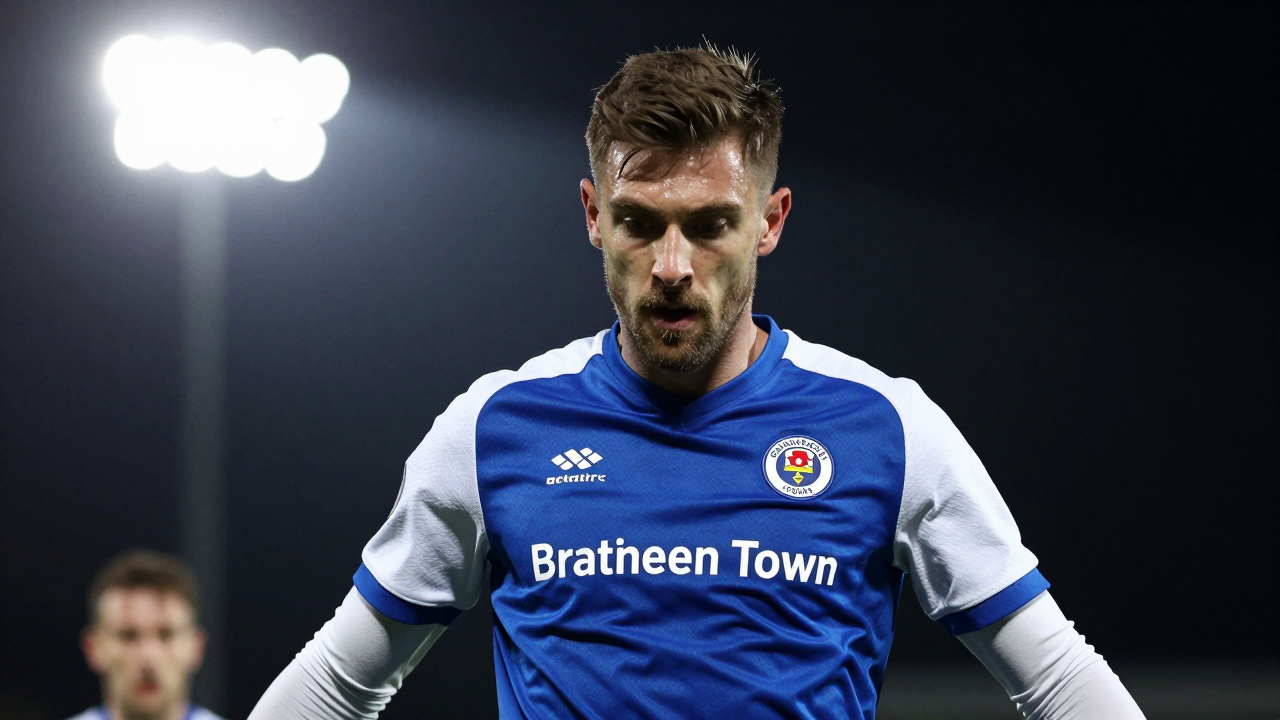
Braintree Town, affectionately known as The Iron, has made notable strides this season in the National League. Recent performances underscore the need for a tactical reassessment to not only maintain momentum but also to capitalize on the strengths of the squad. With a solid foundation already in place, subtle adjustments could propel the team towards their objectives.
Current Tactical Setup
Braintree has primarily adopted a 4-3-3 formation, which allows for flexibility in both attack and defense. This setup has fostered an environment where players like J. Akinde can thrive, providing pace and power upfront. However, while the attacking trio has shown promise, there have been inconsistencies in midfield transitions and defensive coverage, particularly during counter-attacks, which have led to conceding unnecessary goals.
Midfield Dynamics
One area that requires immediate attention is the midfield structure, particularly in how the three central players interact. Currently, the midfielders seem to lack a cohesive understanding of their roles, leading to gaps that opponents can exploit. To address this, Braintree could consider shifting to a 4-2-3-1 formation, which would allow two deeper midfielders to provide better defensive cover while also facilitating a more dynamic attack through the central playmaker. This could relieve some pressure on the backline and enhance ball retention.
Defensive Cohesion
The defensive line has shown resilience, but moments of disorganization have crept in during critical phases of matches. By implementing a more compact defensive shape, particularly when out of possession, Braintree can minimize the spaces available for opposing forwards. Encouraging full-backs to maintain discipline and not push too far upfield without adequate cover can prevent opponents from exploiting the flanks. In addition, employing a zonal marking system during set pieces could help in reducing the number of goals conceded from corners and free-kicks.
Exploiting Width
While Braintree's attack has benefited from width, there is potential for further exploitation of the flanks. Utilizing wingers who can cut inside while having overlapping full-backs can create confusion for opposing defenders. This tactic not only stretches the opposition but also provides more goal-scoring opportunities. Encouraging wingers to drive at defenders and create one-on-one situations can lead to fouls in dangerous areas or even clear goal-scoring chances.
Enhanced Pressing Strategy
Lastly, a more coordinated pressing strategy is essential for Braintree to regain possession quickly. Currently, the pressing seems sporadic, leading to moments where the opposition can build from the back. By instilling a more unified pressing approach, Braintree can disrupt the opponent's rhythm and regain control of the game. This could involve setting triggers for when to press, such as after a specific number of passes or when the ball is played to certain areas of the pitch.
Conclusion
Braintree has a solid foundation and a talented squad capable of achieving success in the National League. By fine-tuning their tactical framework-particularly in midfield dynamics, defensive cohesion, exploiting width, and enhancing their pressing strategy-The Iron can elevate their performance and challenge for a higher league position. With the right adjustments, Braintree can turn potential into points and reaffirm their status as a competitive force in the league.