As Braintree Town FC bids farewell to John Akinde, the club faces a key juncture in its quest for success. Akinde's departure to a fellow National League South side not only signifies a shift in the squad but also presents a challenge for the management and fans who have grown accustomed to his contributions over the past two seasons. The implications of this transfer could resonate throughout the club as they handle the complexities of player retention, squad depth, and tactical adjustments.
John Akinde, a prominent figure during his tenure at Braintree, has been instrumental in the club's attacking strategy. Signed two seasons ago, the forward quickly became a fan favourite. His physical presence on the pitch and ability to hold up the ball made him a key player in Braintree's tactical setup.
During his time at The Iron, Akinde made a noticeable impression, scoring numerous goals that often proved to be match-winners. His experience and leadership qualities were also invaluable, especially in high-stakes matches where calmness under pressure is key. With his departure, Braintree will need to fill the void left by his exit, both for goals and leadership.
What it means for Braintree
The loss of Akinde isn't just about losing a player; it's about the cascading effects on the club's overall strategy. With his departure, Braintree's management must reevaluate their approach as they prepare for the upcoming season. The team will need to find a suitable replacement who can not only replicate Akinde's goal-scoring ability but also contribute to the team's dynamics.
Fans are understandably concerned about the club's direction post-Akinde. His presence in the squad was a source of confidence, and replacing his influence will be no easy task. The club needs to act swiftly in the transfer market to ensure that they maintain a competitive edge within the National League South.
- Key points from Akinde's departure:
- Significant goal scorer for Braintree
- Important presence in the dressing room
- Need for a strategic replacement
- Potential impact on team morale
Tactical implications
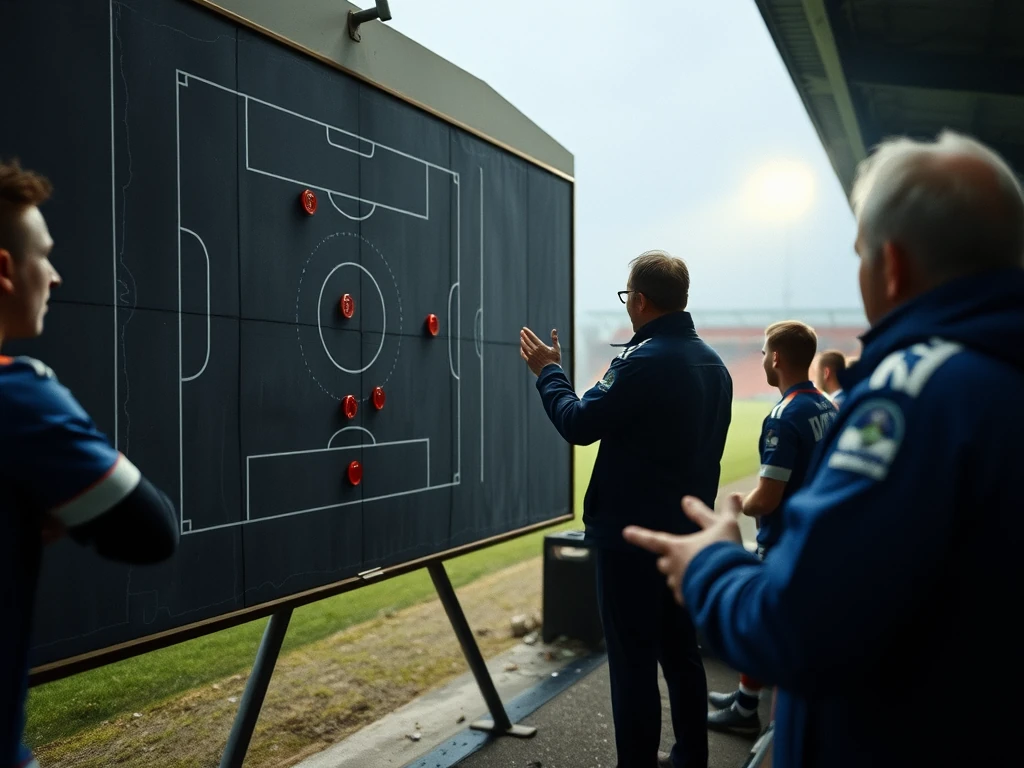
With Akinde's departure, Braintree FC must rethink its tactical approach. Akinde's ability to dominate defenders and create space for his teammates was central to the club's offensive tactics. His physicality allowed the team to play a direct style, often looking to him as the focal point in attack.
The coaching staff will need to assess whether to bring in a similar player who can occupy that role or to adapt their strategy to a more fluid attacking style. This might involve use quicker, smaller forwards who can exploit space and create opportunities in a different manner. The tactical shift could also impact how the team approaches games, especially against tougher opponents in the league.
The fan perspective
Supporters of Braintree Town FC have had mixed feelings about Akinde's transfer. Many appreciate the contributions he made while with the club, but there's a palpable anxiety about the future. Questions arise about the club's ambitions and whether they can effectively replace a player of Akinde's calibre.
Fans will be looking for transparency from the management regarding their plans moving forward. If the club can secure a reliable replacement, it may help quell concerns and provide reassurance that they are committed to remaining competitive. Engaging with fans during this transitional period will be key in maintaining morale and support.
The wider league context
The National League South is a competitive environment where teams are constantly looking to strengthen their squads. With Akinde's exit, other clubs may see this as an opportunity to exploit perceived vulnerabilities in Braintree's lineup. It’s vital that the club not only focuses on finding a replacement but also on enhancing their overall squad depth to fend off potential challenges from rival teams.
Critics may argue that losing a key player like Akinde could signal a lack of ambition from the club. They will point out that successful clubs often retain their best talents and invest in new ones to build a strong foundation for future successes. Thus, Braintree must respond to this narrative by being proactive in the transfer market and demonstrating a commitment to growth.
What this means for Braintree
For Braintree Town FC, the immediate future hinges on effective decision-making in the wake of Akinde’s departure. The management team must act decisively to bring in talent that not only fills the void left by Akinde but also strengthens the squad as a whole. A failure to do so could lead to a stagnation in performance, which is something fans will not tolerate.
Also, engaging with the fanbase during this time will be critical. The supporters want to see that their club is taking the necessary steps to remain competitive in the National League South, ensuring that their voices are heard in the decision-making process. This could build a sense of unity as the club handles this challenging phase.
What's next
Looking ahead, Braintree Town FC must prioritise scouting and recruitment to fill the gap left by John Akinde. The transfer window presents an opportunity for the club to reassess their needs and bring in players who can adapt quickly to their style of play. It’s imperative that they act swiftly to ensure they remain competitive in the upcoming season.
The departure of Akinde could serve as a catalyst for positive change at Braintree. With the right strategy and community engagement, the club can emerge stronger and more resilient, ready to tackle the challenges that lie ahead in the National League South.