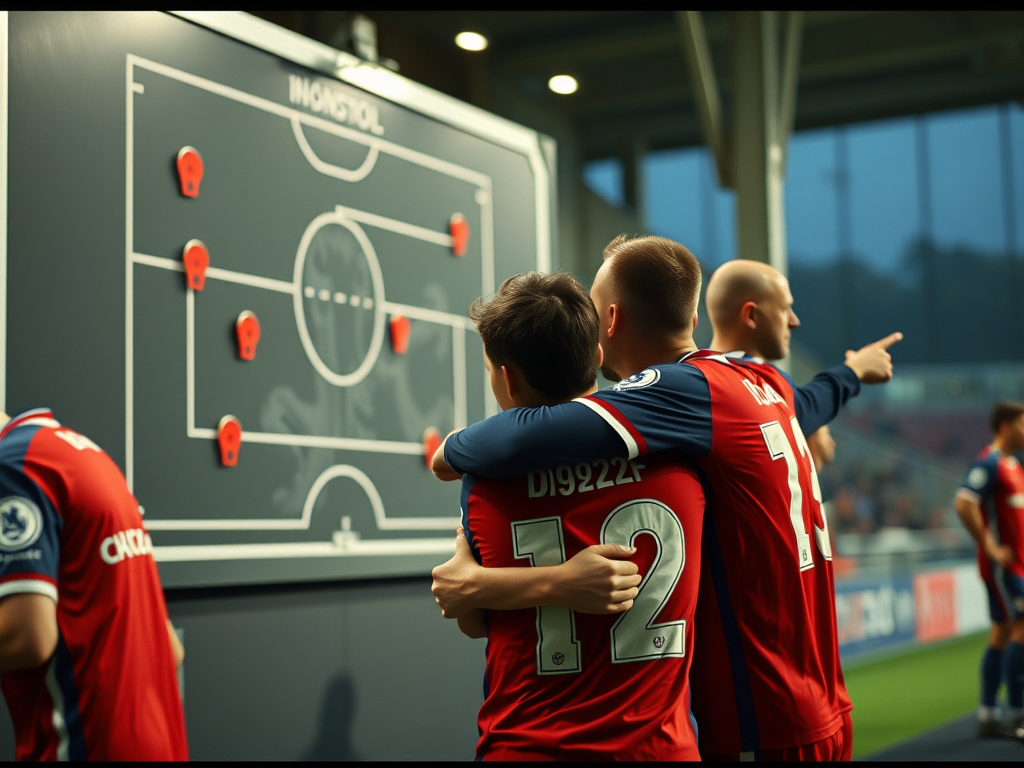
On a cold Saturday afternoon, Braintree unveiled an unexpected tactical shift intended to inject fresh energy into their campaign. Switching to a 4-3-3 formation, the team has prioritized width and forward motion, a change that has proven beneficial thus far. The players seem energized, ready to engage in high-tempo football, exemplified by their latest match against Bromley.
This strategic choice allows Braintree to utilize the speed of players like J. Akinde and T. Blackwell effectively. Both wings stretch the opposition, creating ample space for midfielders like Goran Babic to exploit gaps. The overlapping runs from full-backs are crucial, exemplifying the team's commitment to maintaining possession while pressing opponents high.
In the past few matches, Braintree has recorded an uptick in scoring chances, resulting in an impressive average of two goals per game over the last month. This uptick isn't just numbers; it reflects a deeper understanding and adaptation within the squad. Players are finding rhythm as they gel under the new system, navigating defensive lines with a synergy not seen before.
Critics may question the change, citing the risks of a more offensive approach; however, the players appear motivated. R. Clampin's relentless defending complements the attacking mindset, ensuring that Braintree can balance both ends of the pitch. By involving players in dual roles, the squad becomes dynamic, a trait that enhances their competitive edge in the National League.
As Braintree continues their campaign, it's clear that this tactical evolution will be pivotal. Whether this formation will yield the success they aim for remains to be seen, but early signs indicate it's a gamble worth taking.